There is a particular kind of cold, the first real one of the season, that makes a mug of something warm and spiced feel less like a treat and more like a requirement.
Mulling Spices exist almost entirely for two drinks built around that exact feeling: mulled wine and mulled cider.
Making it at home is the only way to go during the season. You decide how strong the spice runs, how long it steeps, and how sweet your glass turns out. And somewhere around the 20-minute mark, your kitchen starts smelling like the best parts of the season.
What are mulling spices?
A blend built to be simmered in a liquid rather than sprinkled on food, which makes it different from almost everything else in a spice cabinet. The word itself is old. Mull has meant "to heat, sweeten, and flavor with spices" since the early seventeenth century, and the meaning has not moved since.
The practice is older than the word. Ancient Greeks and Romans spiced and heated leftover wine that had started to turn, since the warmth and the spices covered flavors nobody wanted to taste on their own. By the Middle Ages the drink had spread across Europe, helped along by a belief that the spices made the wine healthier, and by the more practical fact that heated, spiced wine was safer to drink than a lot of the water available at the time.
What is in mulling spices?
Saigon cinnamon leads the blend, backed by allspice, Ceylon cinnamon, Madagascar cloves, blade mace, and inner cardamom seeds. No sugar, no dried fruit, no citrus peel.
Many mulling spice blends also include dried orange peel, crystallized ginger, or dried cranberries. But we've left those out, meaning you can decide what fruit and sweetness go into your own pot. Add fresh orange slices, apple, or cranberries to the pot directly if you want them.
Blade mace is the ingredient most people do not recognize. It is the outer covering of a nutmeg seed, dried and separated from the nut inside, with a flavor that is close to nutmeg but lighter and more peppery. Using the blade whole rather than ground mace is what keeps the blend from turning muddy in a simmering pot.
What do mulling spices taste like?
Warm and sweet-spiced, cinnamon leading the way with clove running underneath, bright and a little pungent, almost eucalyptus at the edges. Dry, straight from the bag, that is pleasant enough but distant, more a smell than a flavor. Add heat and liquid and something changes: the spices open up, the sharp edges round off, and what was a handful of dried bark and buds becomes the thing you actually want to drink.
What you taste depends on what you simmer them in. Cider's natural sugar softens everything, so the spice reads warm rather than sharp. Wine's tannins push back a little more, and the spice ends up sitting against something drier and more bitter. Add sugar or honey to either and the whole thing shifts again.
How much mulling spice should you use?
1 Tbsp. per bottle of wine or brandy. 3 Tbsp. per gallon of apple cider. Most recipes land close to that, give or take a spoonful.
Contain the spices in a tea ball, cheesecloth, or muslin bag rather than dropping them in loose, since fishing whole cloves and cardamom pods out of a pot of hot liquid is not a fun way to finish a drink.
For Mulled Wine:
Simmer the contained spices in plain water for 20 to 30 minutes first, since you do not want to boil the wine itself. Discard the water, put the same spice bag back in the pot, then add the wine and heat gently until warm, never boiling. Boiling drives off the alcohol and can turn the wine bitter.
For Mulled Cider:
Skip the pre-simmer entirely. Add the contained spices straight to the cider and heat for 15 to 30 minutes. Cider can take direct heat in a way wine cannot, since there is no alcohol to cook off and no tannins to turn harsh.
Important Mulling Tip - Do NOT Let It Boil: Cloves in particular turn astringent and bitter if they simmer too long or too hard. Keep the heat low enough that the liquid barely moves, and pull the spices once the smell coming off the pot is strong. Longer is not better here.
What are some recipes to make with mulling spices?
Every one of these has mulling spices in the ingredient list, not just a flavor that reminds you of them.
Cider and Punch
Mulled Apple Cider is the one to start with. Fresh cider and the spice bag, nothing else required, and the smell fills the house well before the first mug is poured.
Mulled Apple Cider
Recipe by Savory Spice Test Kitchen
Warm, mulled cider is the perfect holiday beverage for adults and kids alike. Make a big batch to sip at Halloween...
Wassail is the same idea built for a crowd, a spiced punch that traces back to old English midwinter toasting traditions. Add brandy, madeira, or rum for the adult version.
Mulled Wine is the classic, and a simple red table wine is the right base rather than anything expensive, since the spices are doing most of the flavor work.
Spice-Infused Whiskey skips heat entirely. The spices infuse cold, over time, into a bottle you already have, and the smoky depth of whiskey holds up to them differently than wine does.
Mulled Cranberry Sauce takes cranberry sauce from a Thanksgiving afterthought to something people actually ask about, and it doubles as a sandwich spread the next day.
Mulled Marmalade puts the blend into an orange marmalade, and the actual citrus in the fruit meets the eucalyptus brightness already in the cloves halfway.
Mulled Marmalade
Recipe by Miranda Barnett, Savory Spice Test Kitchen
This recipe takes orange marmalade to the next level: the sweet-spiced and woody notes...
Mulling-Spiced Panna Cotta with Caramelized Apples is the one dessert that uses the blend directly rather than borrowing its flavor profile, and it is the most impressive thing on this page for the least active effort.
Mulling-Spiced Panna Cotta with Caramelized Apples
What can you serve with mulled wine or mulled cider?
Neither drink exists on its own at a table, and the two traditions pair with different food.
Mulled wine comes out of European Christmas markets, where it stands next to gingerbread, roasted nuts, and pretzels. Mulled cider comes out of American fall gatherings, next to warm apple desserts and things you eat with your hands. None of what follows contains mulling spices; this is what belongs on the table next to the mug.
Pairings for Mulled Wine
Gingerbread and spiced cookies are the classic Christmas market pairing, and we have two versions depending on which direction you want. Gingerbread Cookies is the straightforward version, built on allspice, cinnamon, ginger, cardamom, and clove.
Our traditional recipe for Pfeffernusse Cookies is the German cousin of the same idea, with black pepper worked into the spice mix for a sharper finish.
Roasted or candied nuts are the other market standard. German stalls sell bags of gebrannte Mandeln, warm cinnamon-sugared almonds, on every corner, and our Chai-Spiced Nuts recipe follows the same idea.
And a warm pretzel belongs on the same table. Salted Soft Pretzels recipe lets you pick the finishing salt yourself, fleur de sel, kosher, Maldon, or a French grey sea salt, plus a crushed Aleppo chile option if you want heat against the sweetness of the wine.
Beyond that, a cheese and charcuterie board rounds out the table without needing a recipe, just good bread, a sharp cheese, and something cured.
Pairings for Mulled Cider
Cider donuts are the New England standard, and Baked Apple Donuts gets you there without a deep fryer. Real apple in the batter, a simple glaze, and a finish of Spiced Vanilla Bean Sugar on top.
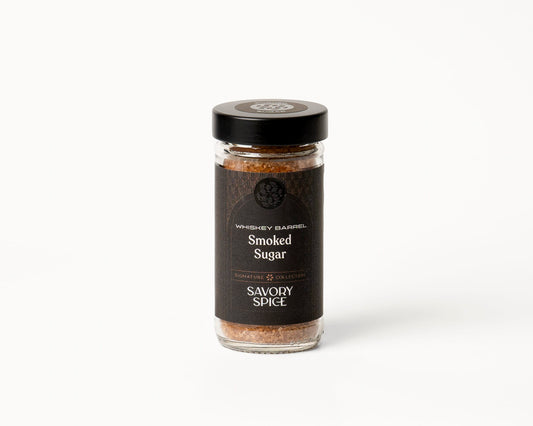
Apple desserts are the other direction. Our Salted Caramel Apple Galette recipe is the one to make if you want dessert to feel like an occasion, apples tossed with Pumpkin Pie Spice under puff pastry, finished with salted caramel sauce and a crunch of Whiskey Barrel Smoked Sugar and Salt.
Caramel apples and a bowl of popcorn round out a fall gathering without much effort, and both are more about assembly than a recipe.
What can you substitute for mulling spices?
A rough 3-2-1 ratio by weight of cinnamon, cloves, and allspice gets you most of the way there, which is the core of nearly every mulling spice blend regardless of brand.
From there, add what you like: crystallized ginger, a few black peppercorns, dried orange peel, or a vanilla bean if you want more complexity. Since our blend carries no sugar, if you are trying to match it exactly, leave sugar out of your version too and sweeten the glass rather than the pot.
If you already make your own chai, that might be the closest thing in your cabinet.
Chai Spices shares cinnamon, cardamom, and cloves with mulling spice, so the overlap runs deep. What it adds on top, ginger, black pepper, and star anise, pushes the flavor toward licorice and heat instead of mulling spice's plainer warmth. Simmered in wine or cider it will get you there, just spicier and more peppery than the real thing, and without the roundness mace usually brings.
Mulling Spices do not multitask the way most of our blends do, but not because they only do one thing. They are built to be simmered into a liquid rather than sprinkled dry, and that single requirement is what lets the same bag work in a pot of cider, a pan of cranberry sauce, or a jar of marmalade.
Make the cider first. It takes the least effort of anything here, and it is the one that gets the rest of the house asking what smells so good before it is even ready to pour.