Feeling saucy? You might be thinking, is it possible to take dry spices and turn them into a sauce? Here's the thing: a lot of our seasonings started life as sauces. We tasted something great, broke it down to its components, and rebuilt it as a shelf-stable blend.
Buffalo Wing Seasoning, Mexican Mole, and Parmesan Pesto Seasoning are all reverse-engineered sauces. Which means the process runs in both directions. If a sauce can become a seasoning, that seasoning can become a sauce again, and so can almost every other blend on your shelf.
Your spice cabinet holds a lot more possibilities than you probably realized. Here's the formula, how to turn it into a paste worth keeping in the refrigerator, the blends that are already halfway to a sauce, and the meal mixes that get you the rest of the way with almost no effort.
How do you make a sauce from a dry seasoning?
If you've ever poured hot milk over cocoa mix, you know the problem: the powder clumps, floats to the top, and takes a lot of whisking to fix. You usually end up with a texturally challenged cup of cocoa and a mess on the counter.
The fix is the same one that makes seasonings into sauces. Make a paste first.
Mix the cocoa and sugar with a small amount of hot milk, stir it smooth at the bottom of the mug, and then add the rest. Same principle, every time.
The formula is equal parts seasoning, oil, and water. That 1:1:1 ratio pulls out both the water-soluble and the oil-soluble flavor compounds, which is why it tastes fuller than mixing a blend into water alone. Swap in broth, juice, wine, or vinegar for the water depending on where you're headed. If you want less oil, just use more liquid instead. The paste will be thinner but it still works.
Then let it sit about 5 minutes before it goes in the pan. Two things happen during that rest. The essential oils in the spices activate on contact with liquid, which is where the depth comes from. And any minced garlic or onion in the blend rehydrates, which matters because dry garlic bits in hot oil can scorch in seconds. That rest is often the difference between a good sauce and starting over.
This isn't a trick we invented, either. It's printed right on our Harissa Spice Mix: equal parts spice, water, and olive oil turns the powder into a proper North African harissa paste for kebabs, roasted vegetables, or stirred into yogurt.
Paste Tip: Make the paste in the pan you're about to cook in, off the heat. Stir the seasoning, oil, and liquid together right in the cold pan, let it rest while you prep everything else, then turn on the burner. One less dish, and you'll never forget the rest step.
Some of our blends were built specifically to become a sauce, dip, or gravy the moment liquid hits them. No recipe required, just the right ratio.
Buffalo Wing Seasoning is the clearest example. Combine it with equal parts oil and water and you have homemade buffalo sauce, tangy and buttery and as hot as you want it. Use it dry as a wing rub instead and you get the same flavor without the mess. Mexican Mole (Nut-Free) is the most impressive: mix about 6 Tbsp with equal parts warm water and broth, then simmer to the consistency you want for a mole paste that would otherwise take an afternoon and a dozen ingredients. It's peanut-safe too, which traditional mole rarely is.
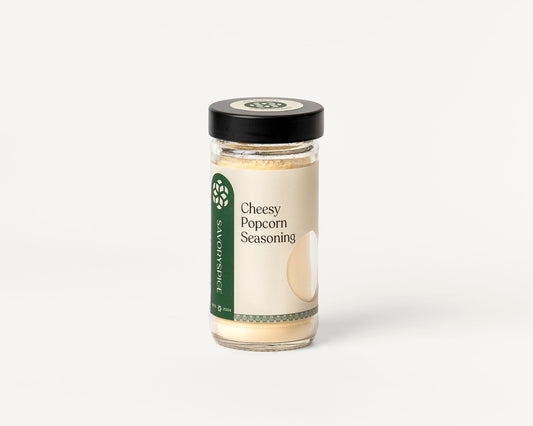
Cheese sauce is the other trick worth knowing. Cheddar Cheese Powder whisked into warm milk or cream becomes nacho cheese in about two minutes, with no roux and no block of cheese to shred. Cheesy Popcorn Seasoning does the same job with more tang and a little more seasoning built in, which makes it a good shortcut for mac and cheese sauce or a drizzle over broccoli.
And Parmesan Pesto Seasoning is pesto in powder form. Stir it into a cream sauce for an instant Parmesan pesto pasta, or use it as the base and build outward with olive oil, fresh basil, and pine nuts.
Our California Citrus Rub is a salt-free blend, heavy on citrus with a little heat from crushed red pepper and black pepper. It could go bold and spicy, but the citrus makes it a natural for grilled seafood and chicken, so we took it lighter and more family-friendly. Orange juice and butter give it body, honey tempers the heat, and parsley ties it together.
Directions: Stir the paste ingredients together thoroughly and set aside for 5 min. to rehydrate. Heat vegetable oil in a small saucepan over medium heat, then add the paste along with the remaining sauce ingredients. Bring to a simmer, then reduce heat to low and cook, stirring frequently, for 4 to 5 min., or until the sauce is slightly thickened and coats the back of a spoon.
The same 1:1:1 formula works with almost anything.
Chimichurri Rojo Dry Rub is tangy and garlicky with a kick from Aleppo chiles, and it makes a great steak sauce base once you stir in balsamic vinegar, ketchup, and a little Dijon. Jamaican Jerk Seasoning is the one we're most partial to.
"We went all the way to Jamaica to perfect this seasoning, and jerk chicken is easily the dish I make the most at my home."
- Mike Johnston, Co-Founder
Jerk's sweet allspice and scotch bonnet heat are a natural match for coconut milk, pineapple juice, and a touch of brown sugar. Same paste, simmered into a quick coconut sauce that's excellent over grilled shrimp or pork kabobs.
Everything above treats the paste as a step on the way to a sauce. It doesn't have to be. A spice paste is a finished product in its own right, and in a lot of cuisines it's the more traditional form: harissa in North Africa, mole in Mexico, berbere in Ethiopia, kroeung in Cambodia, and wet jerk in Jamaica are all pastes, not powders.
The method is identical, you just make more of it and stop. Mix equal parts seasoning, oil, and liquid, let it rest, and instead of building a sauce around it, put it in a jar.
A paste does things a dry rub can't. It clings to a protein instead of falling off, it carries flavor into the food rather than sitting on the surface, and because the aromatics are already hydrated, they won't scorch the second they hit a hot pan.
How to store a spice paste
In the refrigerator, pack the paste into a small jar and smooth the top, then pour a thin film of oil over the surface to seal it from air. It'll keep about one to two weeks. For longer, spoon the paste into an ice cube tray, freeze it solid, then transfer the cubes to a bag. Each cube is roughly a tablespoon, which is a convenient single-use portion, and they keep for months. Drop one straight into a hot pan or a pot of soup, no thawing needed.
How to use your homemade spice paste
Rub it on chicken, pork, or lamb before roasting or grilling
Bloom a spoonful in oil as the flavor base for a braise, curry, soup, or pot of beans
Toss it with vegetables or potatoes before they go in the oven
Whisk it into yogurt, mayo, or sour cream for an instant sauce or dip
Thin it with more liquid and acid and it's a marinade or a dressing
Spread it on flatbread before the cheese goes on
Some blends are practically built for this. Tan-Tan Moroccan Seasoning pastes into a tagine base in about a minute, and thinned with a little more oil it becomes a glaze for roasted vegetables or lamb.
Berbere Ethiopian Seasoning is the traditional heart of Ethiopian cooking and is almost always used as a paste, where its chile and warm-spice depth can bloom properly in fat.
Also worth a look: Za'atar stirred into good olive oil is one of the oldest spice pastes there is, served with warm bread across the Levant and excellent spooned over roasted vegetables or labneh. And Caribbean Green Jerk Seasoning makes a herbaceous green jerk paste that's closer to how jerk is actually made on the island than any dry rub.
Batch Tip: When you make a paste, make four times what the recipe needs. It takes the same five minutes, and a jar of harissa or curry paste in the refrigerator is the difference between cooking something interesting on a Wednesday and cooking something plain. This is the single highest-leverage thing in this whole post.
What spice mixes double as a sauce or gravy?
If the paste method is the long way around, this is the shortcut. A number of our Spice & Easy meal mixes are essentially sauces waiting for liquid, and several of them are the sauce, with the protein optional.
Butter Chicken is the best example. The mix builds a creamy, tomato-rich, gently spiced sauce that happens to have chicken in it, and it works just as well over paneer, chickpeas, or roasted cauliflower. Tikka Masala does the same, and simmering either one down a little further gives you a sauce thick enough to spoon over rice or use as a base for something else entirely.
Thai Coconut Curry Soup is a soup mix on the label, but use less liquid than the packet calls for and it becomes a proper coconut curry sauce for noodles, shrimp, or vegetables. Classic Marinara Sauce is the most literal one on this list: simmer it with a can of diced tomatoes and you have a fresh, herby red sauce with no jar and no added sugar.
For the savory, gravy end of things, French Onion Gravy whisks into water and simmers into a rich onion gravy in about 10 minutes, which is exactly what you want over turkey, meatloaf, or mashed potatoes. Korean BBQ Pork builds a sweet, garlicky, sesame-forward sauce that is genuinely good on its own as a stir-fry sauce or a drizzle over rice bowls.
A few more worth knowing. Bourbon Chicken and Huli Huli Chicken both reduce into sticky glazes that work as basting sauces for anything off the grill. Sweet Jerk Sloppy Joes is a tomato sauce with tropical spice, good on more than ground beef. And Chimichurri Churrasco whisked with agave, lime juice, and fresh cilantro gives you a bright chimichurri in about two minutes.
Can you use a seasoning mix to make a dip?
Dips are the easiest conversion of all, because the dairy does the work of the liquid and the fat at the same time. Stir a blend into sour cream, Greek yogurt, mayo, or softened cream cheese and give it 30 minutes in the refrigerator so the dried aromatics can rehydrate. Overnight is better.
Seven Onion Dip Mix is our best seller in this category for a reason: seven forms of allium mean it tastes far more complex than the effort suggests. Dill Dip Mix is the other one to keep on hand, and it does double duty as the base for a Dijon dill sauce if you stir in mustard and lemon juice.
Dip Tip: Make dips the night before, every time. Dried herbs and alliums need hours in a fatty base to fully bloom, which is why a dip that tasted thin at 6 p.m. tastes perfect at lunch the next day. If you have to serve it immediately, stir the mix into a spoonful of warm water first to give it a head start.
How do you make a salad dressing from a dry spice mix?
Dressings are just sauces with more acid, and a few of our blends are built to become one with a whisk and some pantry staples.
Buttermilk Ranch whisks into buttermilk, sour cream, or mayo for classic ranch, thinner for dressing and thicker for dip. Caesar Seasoning takes olive oil, mayo, and a squeeze of lemon and becomes a proper Caesar, no anchovy paste or raw egg required.
Italian Salad Dressing Mix works two ways. For a vinaigrette, shake 1 cup olive oil, ½ cup vinegar, and 1 to 2 Tbsp of the mix in a jar. For a creamy version, whisk 1 cup mayo, 1 cup sour cream, 1 Tbsp Dijon, and 2 to 3 Tbsp of the mix instead. And Parmesan Pesto Seasoning, from the top of this post, makes a fantastic creamy pesto dressing with mayo and a splash of red wine vinegar.
Want to see the technique taken further? Three to start with.
BBQ Master Sauce is built to work with whatever savory BBQ rub is already in your cabinet, so there's no specific product required, just your favorite blend as the seasoning base. It's the purest demonstration of the whole idea.
Woody's Peach BBQ Sauce came from co-founder Janet Johnston's dad, and it turned out to be a perfect match for our Palisade Peach Spice. No cooking required, just puree and chill.
Harissa Yogurt Sauce takes the harissa paste from earlier and balances it with sweet black garlic and cool, tangy yogurt, which is the fastest way to understand how a paste becomes a finished sauce.
Equal parts seasoning, oil, and liquid. Five minutes to rest. That's the whole method, and it works on nearly every jar you own, whether the label says rub, blend, or seasoning.
The reason it works is that these blends were never really just dry spice. They're compressed flavor, waiting for something to carry them. Add liquid and you're not improvising, you're putting a sauce back the way it started.
So stop saving the good jars. Pick one you've had for a while, make a paste, and see where it goes. And when a jar runs low, grab a refill instead of letting it sit half-empty, because a seasoning you're actually cooking with is worth ten you're saving for later.
Any milk substitute should work well as a replacement!
Savory Spice 12/07/2023
What can you use to substitute for coconut milk if someone is allergic?
Elizabeth12/07/2023
Our recommendation is to use 1 heaping tbsp. per cup of heated milk and sweeten as needed (start with 1-2 tsp and add more as desired). The Black Onyx Cocoa Powder is pretty bold, so you might try mixing it with Dutch or Natural Cocoa Powder for a rich cup of hot chocolate.
Stephanie28/01/2022
How much black onyx to make the chocolate paste for 1 cup of hot chocolate?
Karen28/01/2022
Leave a comment
Join our community
Join our email list and Loyalty Club to earn points and save 10% on your first order!