Featured Recipes
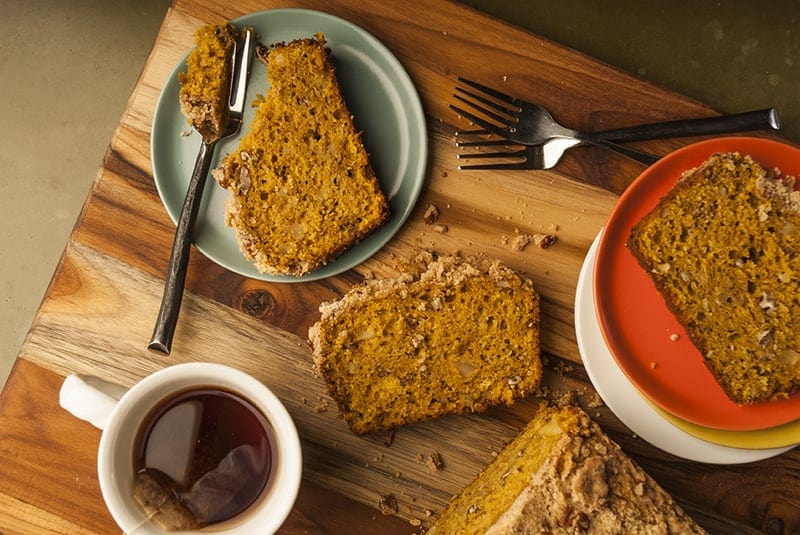
Pumpkin Spice Bread
Products
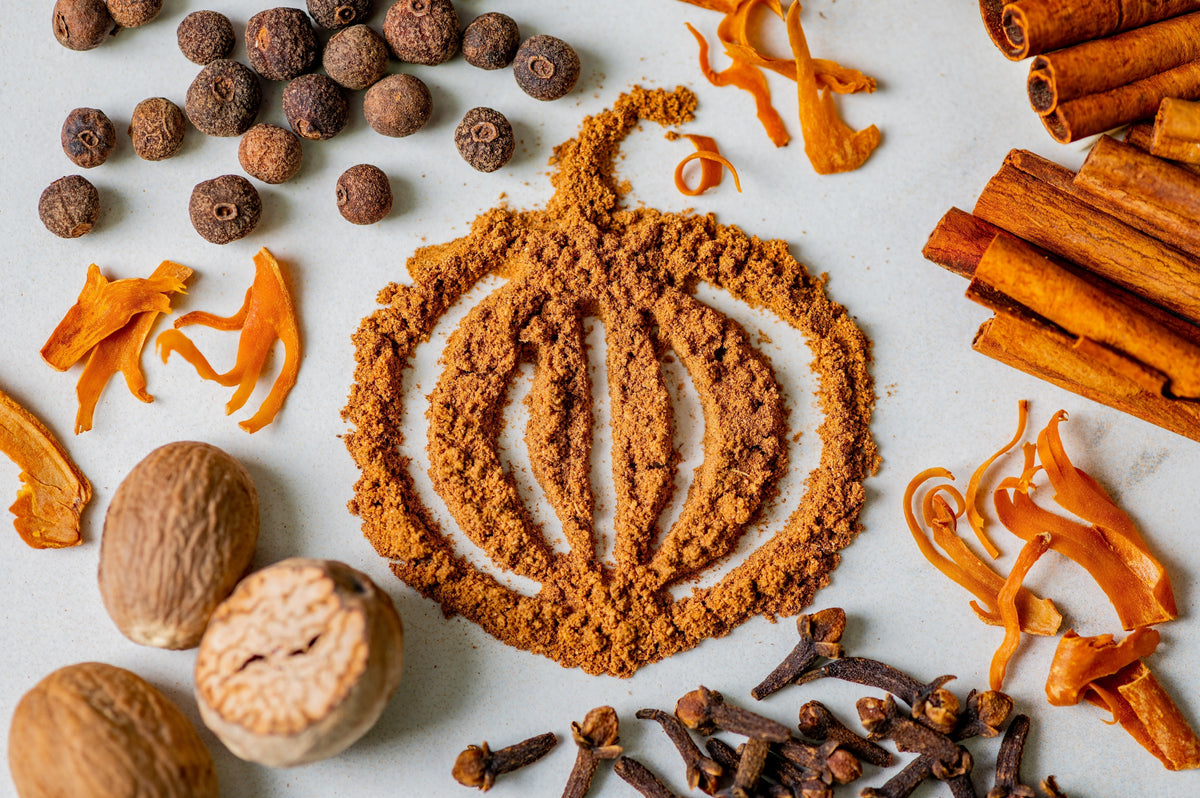
Pumpkin Pie Spice
Fine Pink Himalayan Sea Salt
A deliciously moist cake topped with a nutty crumble. Best enjoyed with hot tea on a cool Autumn evening.

Products
Salted Caramel Spice
Baking Spice
Pure Madagascar Vanilla Extract
+1
Salted Caramel Apple Pie with Brown Butter Oat Crumb
View Recipe for Salted Caramel Apple Pie with Brown Butter Oat Crumb
Products
Maple Cowboy Butter
Kosher Salt
Hatch Green Chile Powder
+1
Maple Cowboy Cornbread
View Recipe for Maple Cowboy Cornbread
Products
Dutched Cocoa Powder
Pure Espresso Powder
Pure Madagascar Vanilla Extract
+1
Vietnamese Coffee Spiced Brownies
View Recipe for Vietnamese Coffee Spiced Brownies
Products
Palisade Peach Spice
Kosher Salt
Ground Ceylon Cinnamon
+1
Palisade Peach Crisp
View Recipe for Palisade Peach Crisp
Products
Onion & Garlic Everyday Seasoning
Kosher Salt
Onion & Garlic Bread Biscuits
View Recipe for Onion & Garlic Bread Biscuits
Products
Ground Inner Cardamom Seeds
Ground Ceylon Cinnamon
Ground Ginger
+1
Spiced Cranberry Curd Tart
View Recipe for Spiced Cranberry Curd Tart
Products
Mayan Sea Salt
Madagascar Vanilla Bean Paste
Pure Madagascar Vanilla Extract
+1
Banana Cream Pie with Salted Bourbon Whipped Cream
View Recipe for Banana Cream Pie with Salted Bourbon Whipped Cream
Products
Pumpkin Pie Spice
Kosher Salt
Spiced Vanilla Bean Sugar
+1
Bourbon Barrel Salted Pumpkin Sheet Cake
View Recipe for Bourbon Barrel Salted Pumpkin Sheet Cake
Products
Whiskey Barrel Smoked Sugar
Pumpkin Pie Spice
Whiskey Barrel Smoked Sea Salt
+1
Easy Salted Caramel Apple Galette
View Recipe for Easy Salted Caramel Apple Galette
Products
Ground Inner Cardamom Seeds
Pure Tahitian Vanilla Extract
Pure Orange Extract
+1
Cardamom Citrus Yogurt Cake
View Recipe for Cardamom Citrus Yogurt Cake
Products
Vanilla Bean Sugar
Ground Ceylon Cinnamon
Ground Indonesian Cinnamon
+1
Lemon Blueberry Coffee Cake
View Recipe for Lemon Blueberry Coffee Cake